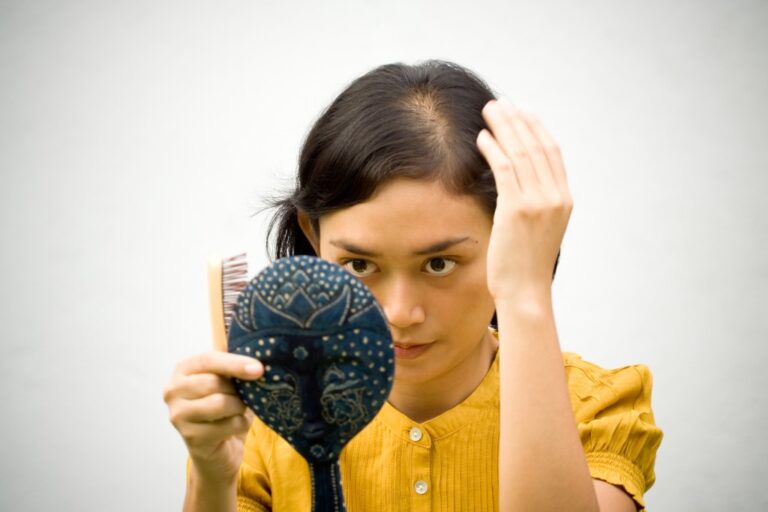
Hair Transplant for Women — Female Hair Restoration
Hair Loss in Women
Hair loss in women is more common than most people realise. For women who suffer from permanent hair loss or female pattern baldness, the best chance of restoring their hair is often through hair transplantation.
For women losing hair the experience can be disturbing and often women feel a unique sense of shame which is exacerbated by the strong correlation between beauty and having a full head of hair.
Establishing the Correct Diagnosis
We take your hair loss seriously by performing a disease-specific medical evaluation. A complete medical history is the first step in evaluating women with hair loss and this is done at your initial consultation.
Diffuse hair loss is caused by a variety of conditions other than hereditary balding. A work-up establishes whether treatment is managed by medical, surgical, or a combination of both options.
Female Pattern Baldness
Female pattern baldness, known as Alopecia Areata, is an autoimmune disorder which affects over 30 million women. Women with this condition are genetically oversensitive to the hormone dihydrotestosterone (DHT), causing a pervasive thinning of the hair follicles.
Eventually, this can lead to a complete cessation of follicle production, typically concentrated at the crown of the head. In addition to genetics, the condition can be exacerbated by aging and menopause.
Common Causes for Hair Loss in Women
Crash dieting or poor nutrition
Birth control pills
Hairstyles that stress the scalp (traction alopecia)
Extreme stress
Iron deficiency
Hormonal imbalances (pregnancy and menopause)
Major surgery
Medications
Endocrine conditions that affect thyroid function
Genetics and hormones
Female Baldness: The Ludwig Scale
Type 1 — the least severe with thinning on the top of the head
Type 2 — more significant with areas of the scalp showing through thinning hair
Type 3 — patients may completely lose hair on the crown. More donor hair is required for full coverage